











How CORITON Is Responding to the EU PPWR Packaging Regulation
Editor:adminTime:2026-06-12
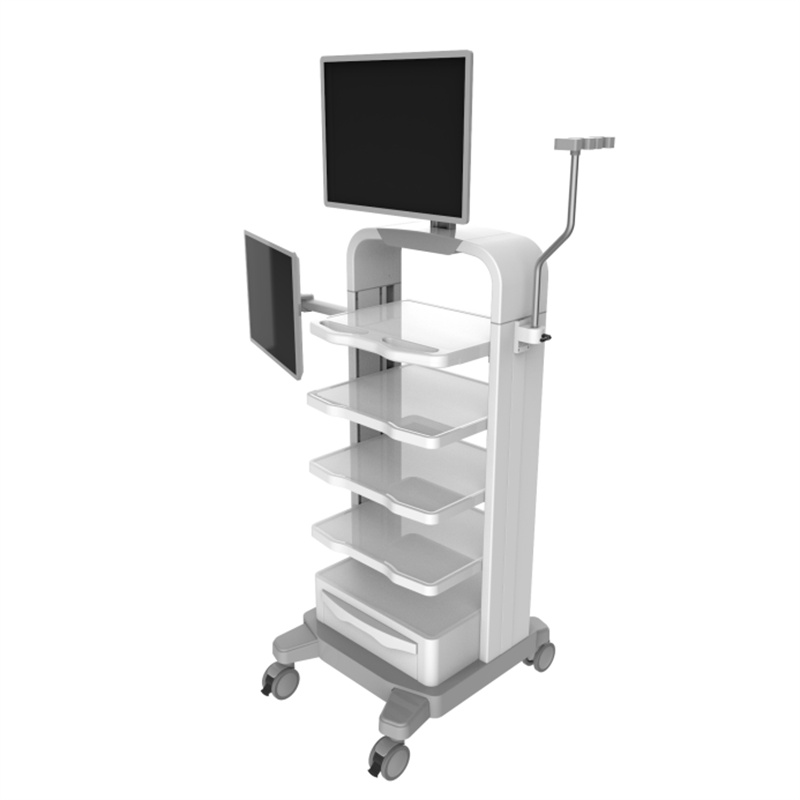
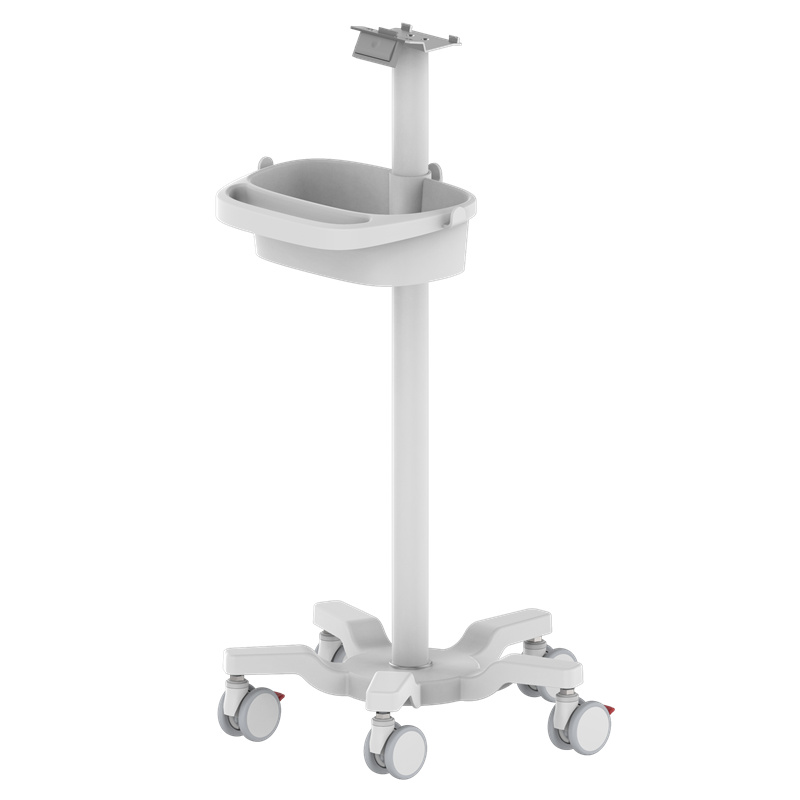
Recently, several European customers asked CORITON about compliance with the EU Packaging and Packaging Waste Regulation, known as PPWR or Regulation (EU) 2025/40. As a manufacturer with long-term experience exporting medical trolleys, CORITON has set up a dedicated compliance team to study the regulation, review packaging risks, coordinate with suppliers, improve documentation, and move packaging compliance forward across the full supply chain.
Understanding the Four Key PPWR Compliance Requirements
PPWR is the EU’s latest packaging and packaging waste regulation. It will become mandatory on August 12, 2026, replacing the previous directive and unifying packaging management requirements across the EU. Non-compliant packaging may lead to product removal, significant penalties, or even restrictions on market access.
Strict Limits on Heavy Metals
The total concentration of lead, cadmium, mercury, and hexavalent chromium must not exceed 100 ppm. This applies to transport packaging, sales packaging, and internal packaging.
Packaging Must Be Recyclable
From 2030 onward, all packaging must meet technical recyclability requirements. Composite materials that are difficult to separate and materials with PFAS-containing coatings will receive particular regulatory attention.
Over-Packaging Will Be Closely Controlled
Packaging must avoid excessive empty space and redundant layers that increase cost and waste without a functional need.
Extended Producer Responsibility
Chinese manufacturers and EU importers must jointly address packaging waste registration, reporting, and recycling fees. Without the required EPR registration, products may not be allowed to be sold in the EU market.
CORITON’s Packaging Material Risk Review
CORITON has reviewed its export packaging materials and classified risk levels by material type.
High-Risk Materials
Silver PET labels: These labels often use a PET and aluminum foil composite structure that is difficult to separate and less recyclable. Ink and coating systems may also carry heavy metal or PFAS risks.
Transparent adhesive tape: BOPP film and adhesive layers may contain heavy metals or residual hazardous substances. Generic trading sources often cannot provide complete test reports.
Thermal transfer ribbons: Wax-based or resin-based colorants may contain heavy metals or volatile organic compounds. When used together with labels, they may become a key inspection focus.
Medium-Risk Materials
Corrugated cartons: Printing inks may contain heavy metals, and water-resistant coatings may contain PFAS.
EPE foam: Some EPE or LDPE materials may contain silicone oil or flame retardants that affect recyclability ratings.
Wooden pallets: Anti-corrosion or fumigation treatment may leave chemical residues, so IPPC marking and material documentation are required.
Lower-Risk Materials
Coated paper labels: Non-laminated coated paper labels mainly require attention to heavy metals in printing ink. Qualified suppliers can usually provide relevant test reports.
Auxiliary sealing materials: CORITON is gradually eliminating staples and replacing them with environmentally preferred strapping and high-strength tape to reduce the impact of metal impurities on recycling.
Five Practical Actions CORITON Is Taking
1. Selecting Compliant Suppliers and Rejecting Untraceable Sources
All packaging materials are prioritized from qualified manufacturers. Suppliers must provide material descriptions, heavy metal test reports, PFAS test reports, and declarations of compliance. Common materials such as transparent tape and labels are fixed by model and batch to keep quality stable and documentation traceable.
2. Building Shared Packaging Technical Files
CORITON is building general technical files by material category, including paper, plastic, composite materials, and wood. Each file includes a material BOM, single-unit weight, dimensions, recyclability assessment, test reports, photos, and disassembly diagrams. This reduces repeated work and improves audit efficiency.
3. Preparing PPWR Compliance Declarations for Customers
CORITON has prepared a packaging compliance declaration for PPWR-related customer customs clearance, internal audits, and compliance records. The declaration covers the declaring entity, packaging description, regulatory compliance statement, test reports, supplier declarations, and recyclability assessment materials.
The declaration applies to CORITON medical trolleys and related medical equipment packaging, including corrugated cartons, EPE foam, BOPP tape, coated paper labels, silver PET labels, thermal transfer ribbons, and wooden pallets. The key requirements include total heavy metal content of no more than 100 ppm, no use of restricted PFAS substances, recyclable packaging design, and avoidance of excessive packaging.
4. Coordinating with EU EPR Organizations
CORITON has contacted EPR registration organizations in Germany, France, the Netherlands, and other EU markets to understand registration procedures, reporting cycles, recycling fee standards, and the division of responsibilities between importers and manufacturers.
As a non-EU manufacturer, CORITON will work with EU importers or compliance representatives to complete EPR registration, monthly or annual reporting, and fee settlement based on packaging material weight.
5. Optimizing Packaging Design at the Source
CORITON plans to further remove staples, use environmentally preferred strapping, reduce metal impurities, optimize EPE internal structures, control empty-space ratios, and evaluate alternatives to silver PET labels to reduce dependence on composite materials.
CORITON’s PPWR Compliance Takeaways
PPWR is not optional; it is becoming an entry requirement for the EU market. After August 2026, non-compliant packaging may directly affect whether products can enter the EU.
High-risk materials should be improved first. Silver PET labels, transparent tape, and thermal transfer ribbons require test reports, supplier declarations, and traceable documentation.
Shared technical files by material type can greatly reduce repeated work. For different packaging sizes using the same material, maintaining a packaging ledger can significantly improve compliance management efficiency.
EPR responsibilities should be clarified early. Manufacturers are responsible for material compliance, while importers are typically responsible for registration and fee payment. Clear responsibility boundaries help reduce future disputes.
Conclusion
Compliance is a baseline requirement and a long-term competitive advantage for global business. CORITON will continue improving its PPWR packaging compliance system, aligning packaging management with EU market expectations and providing customers with safe, compliant, and sustainable packaging solutions for medical trolleys and medical equipment.
News Code: KRT-N-4758